
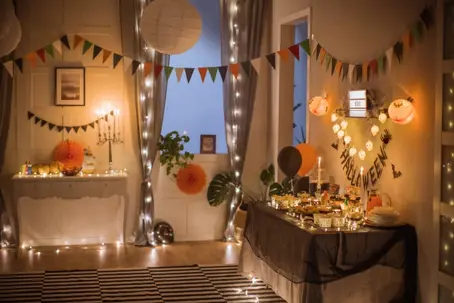
Holiday decorations can make a Tampa home feel festive, but adding lights, displays, inflatables, and other electrical decorations can also increase your home's electricity use.
Many homeowners plug in decorations without giving much thought to how many devices are connected to the same outlet or circuit. Problems can arise when too many electrical devices are placed on a circuit that was not designed to handle the additional load.
With holiday decorating often involving both indoor and outdoor electrical equipment, Tampa homeowners should understand how to add decorations without unnecessarily increasing the risk of electrical hazards.
How Much Electrical Demand Do Holiday Decorations Add?
The electrical demand from holiday decorations depends on what you use. A few strands of modern LED lights may require relatively little electricity, while larger displays can involve numerous lights, inflatables, animated decorations, extension cords, and other equipment.
The total demand matters because your home’s electrical system has limits. An outlet may appear capable of powering several decorations, but the outlet is connected to a circuit that may also supply other devices in the home.
Before plugging everything in, homeowners should consider what else is already operating on that circuit.
Why Should You Avoid Overloading Electrical Outlets?
One of the most common holiday electrical concerns is overloading a single outlet or power strip with too many devices.
Adding multiple extension cords, adapters, light strands, and decorative equipment can create excessive demand. It can also make it harder to determine how much equipment is actually connected to a single circuit.
A power strip does not increase the amount of electricity a circuit can safely provide. It simply gives you additional places to plug in equipment.
If a circuit breaker repeatedly trips after you connect holiday decorations, do not assume that resetting it repeatedly is the solution. The breaker may be responding to an overloaded circuit or another electrical issue that needs investigation.
Should You Use Extension Cords for Outdoor Decorations?
Outdoor holiday decorations require additional consideration because Tampa's weather can bring rain, moisture, and changing outdoor conditions.
Extension cords and electrical equipment used outdoors should be specifically rated for outdoor use. Connections should be positioned and protected in accordance with the equipment manufacturer’s instructions to avoid unnecessary exposure to water.
Homeowners should also inspect cords before using them. Frayed insulation, exposed wiring, damaged plugs, or other visible damage are reasons to replace the equipment rather than continue using it.
Outdoor decorations should never be treated as though indoor electrical equipment can simply be moved outside.
What Is the Role of GFCI Protection?
Ground-fault circuit interrupter, or GFCI, protection is particularly important in locations where electricity may come into contact with moisture.
GFCI protection is designed to interrupt power when it detects a difference in electrical current that may indicate a ground fault. Tampa homeowners may encounter GFCI-protected outlets in areas such as garages, outdoor locations, kitchens, bathrooms, and other areas where moisture may be present.
If an outdoor holiday display repeatedly trips a GFCI outlet, homeowners should not simply bypass the protection. The equipment, connections, or circuit should be evaluated to determine why the interruption is occurring.
What Should You Do If a Circuit Breaker Keeps Tripping?
A circuit breaker that trips when holiday decorations are turned on is providing information about your electrical system.
The cause could be an overloaded circuit, a faulty decoration, a damaged cord, or another electrical issue. Continuing to reset the breaker without addressing the cause can leave the underlying problem unresolved.
Start by disconnecting the decorations and other equipment that were recently added. If the breaker continues to trip, or if you notice other electrical warning signs, it is a good idea to have an electrician inspect the circuit.
Repeated breaker trips should not be considered a normal part of holiday decorating.
How Can You Plan Your Holiday Decorations More Safely?
Before decorating, inspect your lights, extension cords, plugs, and other electrical equipment. Replace anything that is damaged rather than trying to repair it with makeshift solutions.
It is also helpful to distribute decorations across multiple circuits rather than connecting a large number of devices to a single outlet or circuit.
Pay attention to equipment ratings and follow manufacturer instructions for connecting lights and decorations. Keep cords organized so they do not create additional hazards in walkways or areas where they may be damaged.
For outdoor displays, ensure the equipment is designed for outdoor use and that electrical connections are appropriate for the environment.
Could an Older Tampa Home Need an Electrical Evaluation?
Some older homes may have electrical systems designed around the electrical demands common at the time the home was built. Today’s households can place very different demands on electrical systems, particularly during the holidays when additional decorations and equipment are temporarily added.
That does not mean an older home automatically needs an electrical upgrade. However, recurring breaker trips, flickering lights, warm outlets, unusual buzzing, or other electrical warning signs should not be ignored.
An electrician can evaluate the home’s electrical system and determine whether the issue is related to the decorations, a particular circuit, or a larger electrical concern.
What Warning Signs Should Tampa Homeowners Watch For?
Holiday decorating should not result in noticeable electrical warning signs. Homeowners should pay attention to signs such as frequently tripped breakers, flickering lights, buzzing or crackling sounds, burning odors, damaged cords or outlets, and switches that become unusually warm.
If you notice these signs, disconnect the affected equipment when it is safe to do so and have the problem evaluated.
Trying to work around an electrical problem by moving plugs from one outlet to another may only shift the demand without addressing the underlying issue.
How Can You Enjoy Holiday Decorations Without Overworking Your Electrical System?
The safest approach is to plan before plugging everything in. Know how much equipment you intend to use, inspect your electrical decorations, follow product instructions, and avoid placing excessive demand on one circuit.
If your home regularly struggles with additional electrical demand, an electrician can help determine whether the issue is limited to your holiday setup or points to a broader electrical concern.
Holiday decorations should add to the season, not create unnecessary electrical problems. Taking a few minutes to evaluate your setup can help you identify potential issues before they become more serious.
If you have questions about your home’s electrical capacity or are experiencing problems when adding holiday decorations, Comfort All-Stars can help. Contact the firm at (813) 692-4331 to learn more about available electrical services and schedule an evaluation.